
How the Country Was Settled (Spanish)
Cómo se Asentó el País
Previsualice el video haciendo clic en la flecha “play”
Historia del video: Algunos exploradores como Daniel Boone, facilitaron el avance de muchos de los primeros pioneros hacia el Oeste. El presidente Jefferson organizó la compra de Luisiana, que duplicó el tamaño del nuevo país. Por su parte, Lewis y Clark cartografiaron las nuevas zonas y, con la ayuda de Sacagawea, establecieron el Camino de Oregón. Con el tiempo, el ferrocarril transcontinental facilitó la migración hacia el oeste. Otros inventos facilitaron la vida y crearon muchos puestos de trabajo para los nuevos inmigrantes y las personas que se trasladaron desde el Sur con la Gran Migración.
Duración del vídeo: 12:40 minutos.
🧭 How did the United States grow from 13 colonies to a vast country stretching coast to coast? This video helps third grade students explore the story of westward expansion, focusing on the pioneers, inventions, and journeys that shaped a growing nation. It brings the people, movement, and innovations of early America to life with clear visuals and thoughtful narration.
🚂 From the Louisiana Purchase to the Transcontinental Railroad
Students will learn about the Louisiana Purchase and the brave Lewis and Clark expedition that followed. They’ll explore how the U.S. gained vast new territories, and how inventions like canals and steam engines helped connect people and places. Later in the video, the spotlight shifts to the Transcontinental Railroad — a groundbreaking achievement that united the country and opened the door for new cities and communities to grow across the American West.
🎥 This how the country was settled video for kids also covers the rise of new cities, the arrival of immigrants, and major population shifts like the Great Migration. Students will see how both opportunity and hardship shaped different communities as settlers moved west and America developed into a more connected nation.
🏆 Perfect for Grade 3 American history, geography, and social studies, this video connects essential themes of innovation, migration, and perseverance. Whether you’re introducing westward expansion or reviewing key historic milestones, this classroom-friendly lesson helps students understand how the U.S. took shape — one journey at a time.
Curriculum Standards for this Video
State Standards
Worksheets
Quizzes – PDF & Online
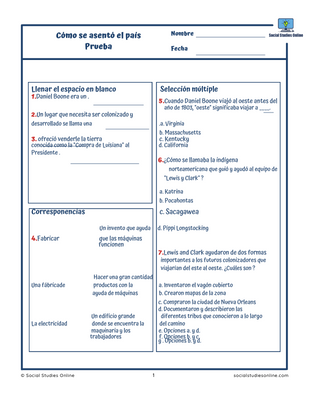
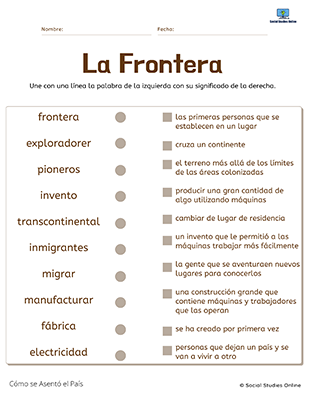
Frontier Match-up Worksheet
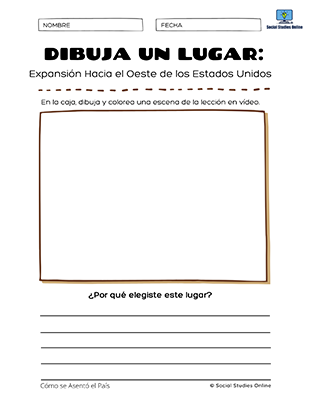
Draw A Scene – Westward Expansion of the U.S.
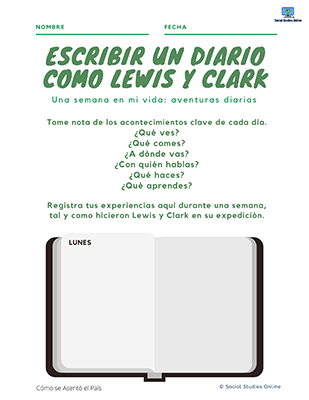
Journaling Like Lewis and Clark
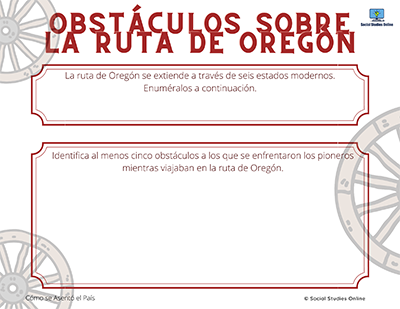
Obstacles On The Oregon Trail
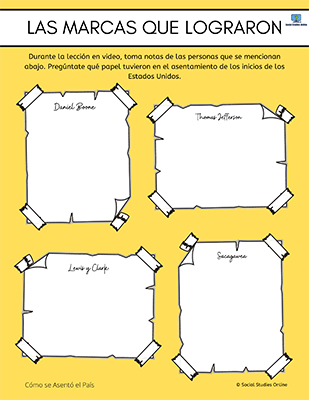
The Marks They Made
Universal Resources
Video Curriculum Standards
Worksheets – Thumbnails


Temas Abarcados
Las 13 colonias se poblaron y los pioneros decidieron trasladarse al oeste para explorar nuevas fronteras
Daniel Boone ayudó a los pioneros a desplazarse
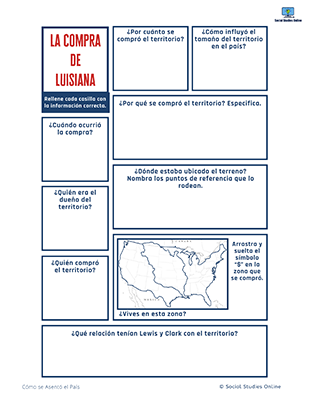
El presidente Jefferson compró tierras al país de Francia en la “Compra de Luisiana” para aumentar el tamaño del país
También contrató a Lewis y Clark para que recorrieran y trazaran el nuevo territorio
Establecieron el Camino de Oregón, con la ayuda de Sacagawea
El ferrocarril marcó una gran diferencia en el peligroso viaje hacia el oeste
Grandes grupos de personas emigraban y también inmigraban durante esta época
La tecnología ayudó a crear puestos de trabajo para todos, a la mayoría de las veces en las fábricas
Related Videos
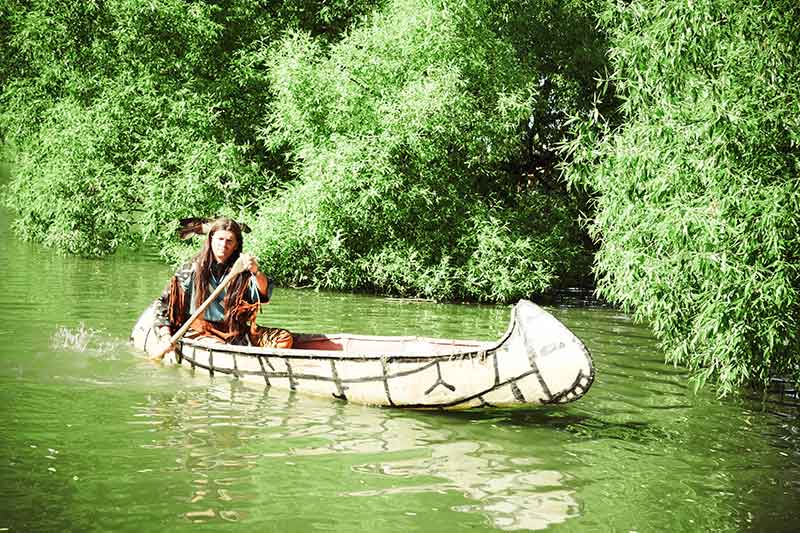
Grade 3 - The First Americans

Grade 3 - The Geography of Our Communities

Grade 3 - How Government Helps Our Communities
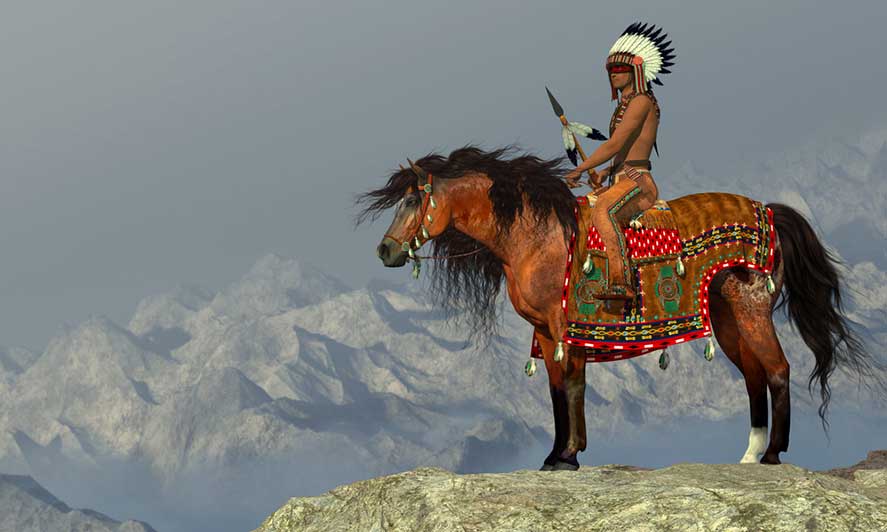
Grade 2 - Early Americans

Grade 3 - A Country of Cultures

Grade 3 - I Am A Consumer

Grade 3 - Businesses At Work
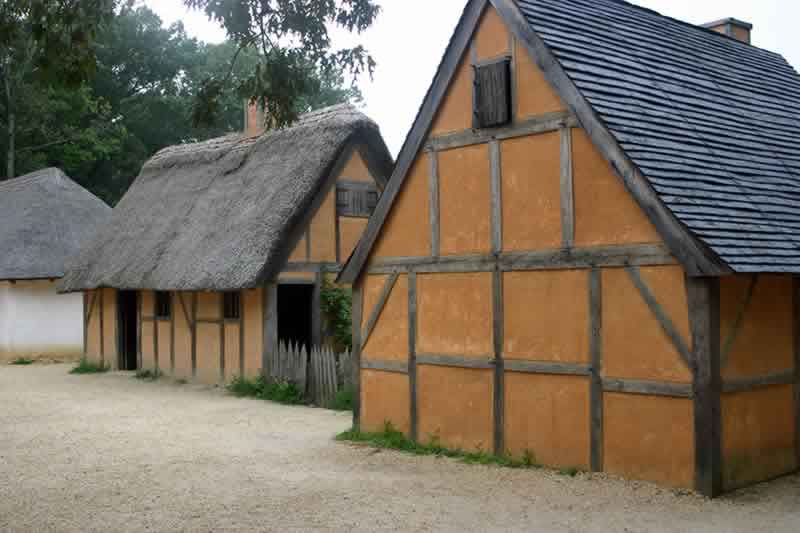
Grade 1 - Life Long Ago
Classroom Ideas

Landforms and Bodies of Water
Identify the landforms and bodies of water across the country that would have made it difficult for pioneers to travel west.
Cloze Practice
A cloze piece has full sentences used in the virtual field trip with blanks where students can write in the information that is missing. This task requires close listening to the trip in order to complete it.
Coral reefs are the _______ type of ecosystem in the world. They’ve been around for over _____ million years.
Answers: oldest; 240
Alternatively, you could have students create 5-10 cloze statements and they could share those with the class.
A third alternative is to distribute the cloze worksheets before watching the video. Students can fill them in as they watch.
Explore Vocabulary
Identify key vocabulary terms while previewing each video. Prompt students to find the meaning of each word as they watch the video. Example: What do the words consumer, budget, and expense mean? Think about the meaning of these words as you watch this video.

Art and Social Studies
Draw a scene from the video.

Visual Learning
Offer videos to struggling learners as another way of creating knowledge and accessing information.

Classroom Ideas for ALL Videos
Dozens and dozens of ideas that you can use in your classroom along with our videos!