
Early Americans (Spanish)
Primeros Americanos
Previsualice el video haciendo clic en la flecha “play”
Historia del video: Hace mucho tiempo, las familias solían vivir en granjas y cultivar su propia comida. El transporte era lento y la vida era difícil. Los colonos empezaron a llegar y todos tenían que obedecer las reglas del rey de Inglaterra. A la gente le pareció que era injusto y decidió luchar por liberarse de él. Ganaron, y crearon un nuevo país con nuevos líderes.
Duración del video: 11:35 minutos.
🪶 Introduce your students to the people and stories that helped shape early America. This Early Americans video for kids gives second graders an engaging and age-appropriate overview of Native American cultures, the arrival of the Pilgrims, and the daily life of pioneers and early settlers. Through colorful visuals and thoughtful narration, students will explore how different groups lived, worked, and contributed to the foundations of American life.
🗺️ Native Americans, Pilgrims, and Pioneers in One Classroom-Ready Lesson
Students will learn how Native Americans hunted, gathered, and lived off the land, and how their communities worked together. They’ll follow the Pilgrims as they arrived in a new world, and understand the hardships and hopes of pioneers heading west. The video also covers the growth of the 13 colonies and the quest for independence, helping young learners begin to understand the values that shaped early America.
🎥 This Early Americans video for kids brings historical figures like George Washington and Abraham Lincoln to life — while connecting their leadership to the challenges and dreams of everyday Americans. The video encourages students to think about how the past affects the present and sparks curiosity about the people who made history.
🏆 Perfect for your Grade 2 social studies or history unit, this video supports lessons on community, geography, civic identity, and cultural understanding. Whether you use it to introduce a topic or wrap up a unit, it reinforces key concepts while keeping students engaged with rich visuals and meaningful stories.
Curriculum Standards for this Video
State Standards
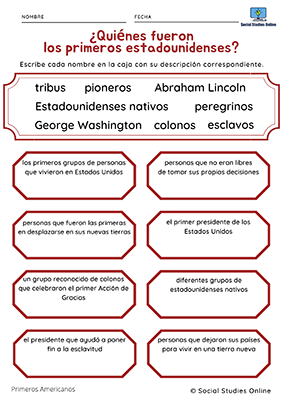
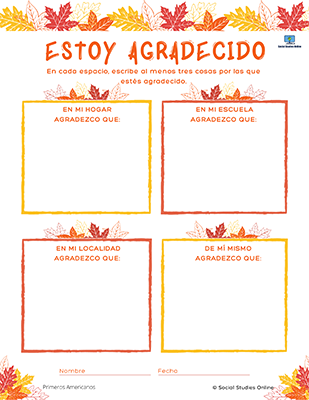
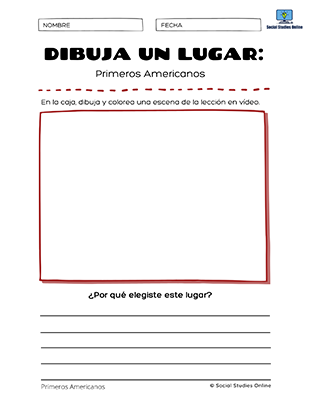
Worksheets
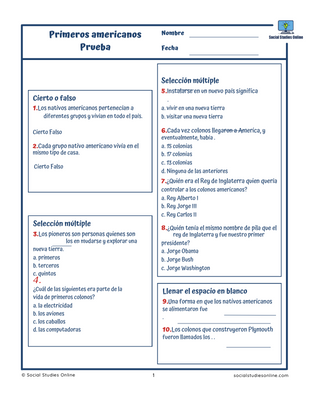
Quizzes – PDF & Online
Who Were the Early Americans?
I Am Thankful
Draw a Scene
Universal Resources
Video Curriculum Standards


Teacher + Class Subscription
Teacher + Students- Unlimited access to the entire video lesson library
- All quizzes + learning resources
- Access for 1 teacher + all students
- Access to all Spanish videos + resources
- Access to all Closed Captioned videos
- Best value option for one teacher
School-wide Site License
All teachers + All students- Unlimited access to the entire video lesson library
- All quizzes + learning resources
- Access for all teachers and all students
- Access to all Spanish videos + resources
- Access to all Closed Captioned videos
- Best for school administrators supporting their teachers & students
- Up to 500 students – $450/year
- 500-1,000 students – $600/year
- 1,000+ students – $1,000/year
Temas Abarcados
Los nativos americanos eran las primeras personas en vivir en América
Pertenecían a diferentes tribus y vivían en diferentes tipos de viviendas
Caza, pesca y vestimenta de los nativos americanos
Después de un tiempo, llegaron los Peregrinos y otros colonos
La vida no era fácil para estos colonos
Eventualmente, se construyeron 13 colonias
El conflicto con Inglaterra dio como resultado la Declaración de la Independencia
Esto llevó a la Guerra de Revolución y dio origen a los Estados Unidos de América
Algún tiempo después, un gran presidente, Abraham Lincoln, liberó a los esclavos
La Guerra Civil trajo mayores opciones para todos
Algunos eligieron mudarse al oeste para alejarse de las ciudades abarrotadas
Los pioneros tuvieron una vida difícil y transportarse no era fácil
Las cosas son mucho más fáciles ahora, con correos electrónicos y un fácil transporte
Classroom Ideas

Art and Social Studies
Use various materials to create a small-scale home for a group of Native Americans, e.g. a wigwam. Can be done in groups.

Cloze Practice
A cloze piece has full sentences used in the virtual field trip with blanks where students can write in the information that is missing. This task requires close listening to the trip in order to complete it.
Coral reefs are the _______ type of ecosystem in the world. They’ve been around for over _____ million years.
Answers: oldest; 240
Alternatively, you could have students create 5-10 cloze statements and they could share those with the class.
A third alternative is to distribute the cloze worksheets before watching the video. Students can fill them in as they watch.
Explore Vocabulary
Identify key vocabulary terms while previewing each video. Prompt students to find the meaning of each word as they watch the video. Example: What do the words bartering and artifact mean? Think about the meaning of this word as you watch this video.

Visual Learning
Offer videos to struggling learners as another form of accessing information and creating knowledge.

Art
Draw a scene from the video you just watched.

Classroom Ideas for ALL Videos
Dozens and dozens of ideas that you can use in your classroom along with our videos!
Related Videos

Grade 2 - Our Government At Work
Grade 2 - Work and Money
Grade 1 - Life Long Ago
Grade 3 - How The Country Was Settled
Grade 2 - Land and Water Around Us

Grade 2 - Living Together
Grade 3 - The First Americans
Teacher + Class Subscription
Teacher + Students- Unlimited access to the entire video lesson library
- All quizzes + learning resources
- Access for 1 teacher + all students
- Access to all Spanish videos + resources
- Access to all Closed Captioned videos
- Best value option for one teacher
School-wide Site License
All teachers + All students- Unlimited access to the entire video lesson library
- All quizzes + learning resources
- Access for all teachers and all students
- Access to all Spanish videos + resources
- Access to all Closed Captioned videos
- Best for school administrators supporting their teachers & students
- Up to 500 students – $450/year
- 500-1,000 students – $600/year
- 1,000+ students – $1,000/year